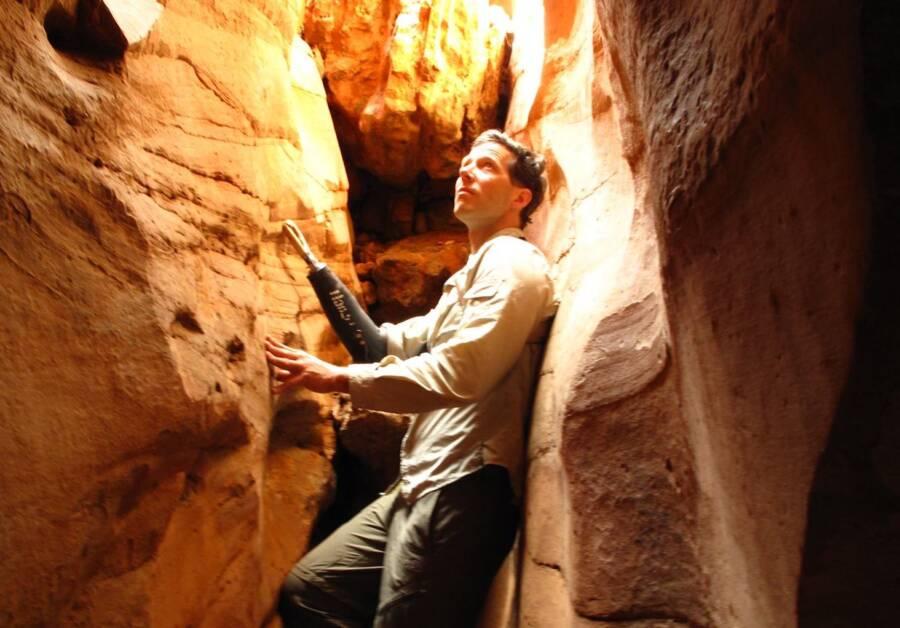
127 Hours: The Climber Who Made an Unthinkable Choice to Survive
In 2003, Aron Ralston was trapped by a boulder in a remote Utah canyon for more than five days. His desperate escape became one of the best-known survival stories of modern times.
Editorial series: Extraordinary Lives — World Stories.
An ordinary adventure that turned dangerous
On 26 April 2003, experienced climber Aron Ralston was travelling alone through Bluejohn Canyon in Utah, United States. A large boulder shifted and pinned his right arm against the wall of a narrow canyon. What had begun as an outdoor excursion became a struggle with dwindling water, isolation and an increasingly desperate situation.
Five days with no easy escape
Ralston tried ways to release his arm and move the rock, but his efforts failed. With no reliable means of communication and no one immediately coming to help, he spent more than five days trapped. Accounts describe how he recorded messages during the ordeal and struggled with exhaustion and dehydration. The duration—often summarised as 127 hours—later became the title of a film about the incident.
The decision that saved his life
With survival becoming less likely, Ralston amputated part of his trapped right arm using the limited equipment he had. This is a description of an exceptional emergency, not a technique or course of action that others should attempt. Having freed himself, he descended and travelled until he encountered people who helped facilitate rescue.
Beyond the most shocking detail
The episode is often retold almost entirely through its most dramatic moment. That leaves out the broader context: a talented outdoorsman in an isolated landscape, a sudden accident, a series of failed alternatives and a decision made in extremis. He later wrote about the experience in his memoir Between a Rock and a Hard Place; the film 127 Hours introduced the story to many more people.
What outdoor safety can teach
Ralston’s ordeal is not a reason to believe that danger always produces extraordinary heroism. It also highlights basic risk considerations such as telling others your intended route, evaluating remote conditions, carrying appropriate communication equipment and recognising that even experienced explorers can be trapped by unforeseen events. No checklist can eliminate risk, but planning may improve the chance of receiving help.
The human story behind the headline
The strongest interpretation of this event is not a celebration of injury. It is a reminder of how radically circumstances can change and how powerfully people may respond when facing death. Ralston survived, received medical treatment and continued speaking about resilience and the outdoors. The story remains extraordinary precisely because it was an exception, not an example to imitate.
Key facts
| Fact | Verified detail |
|---|---|
| Country | United States |
| Year | 2003 |
| Place | Bluejohn Canyon, Utah |
| Outcome | Escaped after more than five days trapped |
Sources and further reading
- National Geographic, Aron Ralston and survival decisions
- Outside, Aron Ralston first-person account
- The Guardian (2003), contemporary news report
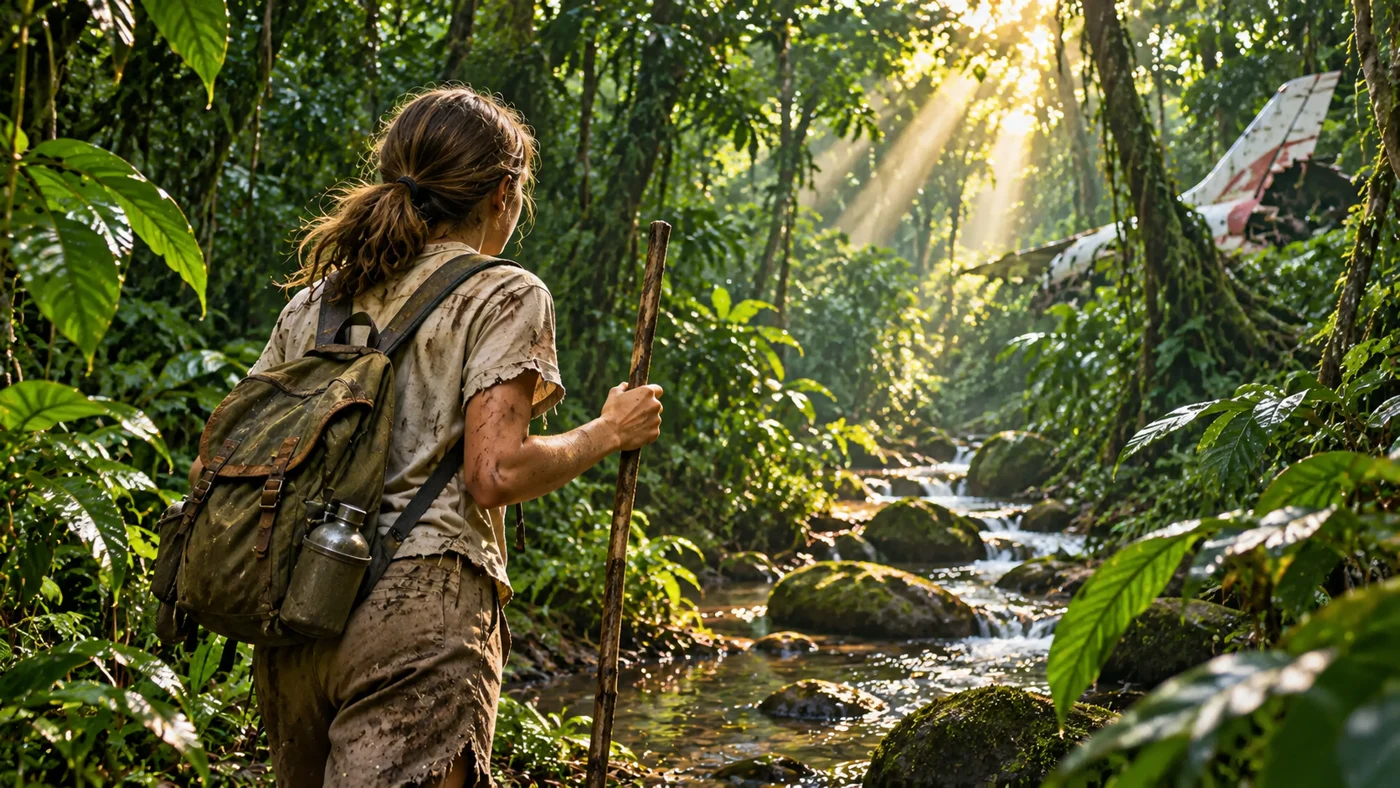
Image note: Featured artwork is an AI-generated editorial illustration, not an authentic photograph of the event or person.