The Man Who Grew a Forest on a Barren Island: Jadav Payeng’s Remarkable Story
Some extraordinary achievements begin with a spectacular decision. Others begin with an ordinary gesture, repeated for years. For Jadav “Molai” Payeng, the gesture was planting and caring for trees on a sandy stretch of land near the Brahmaputra in Assam.
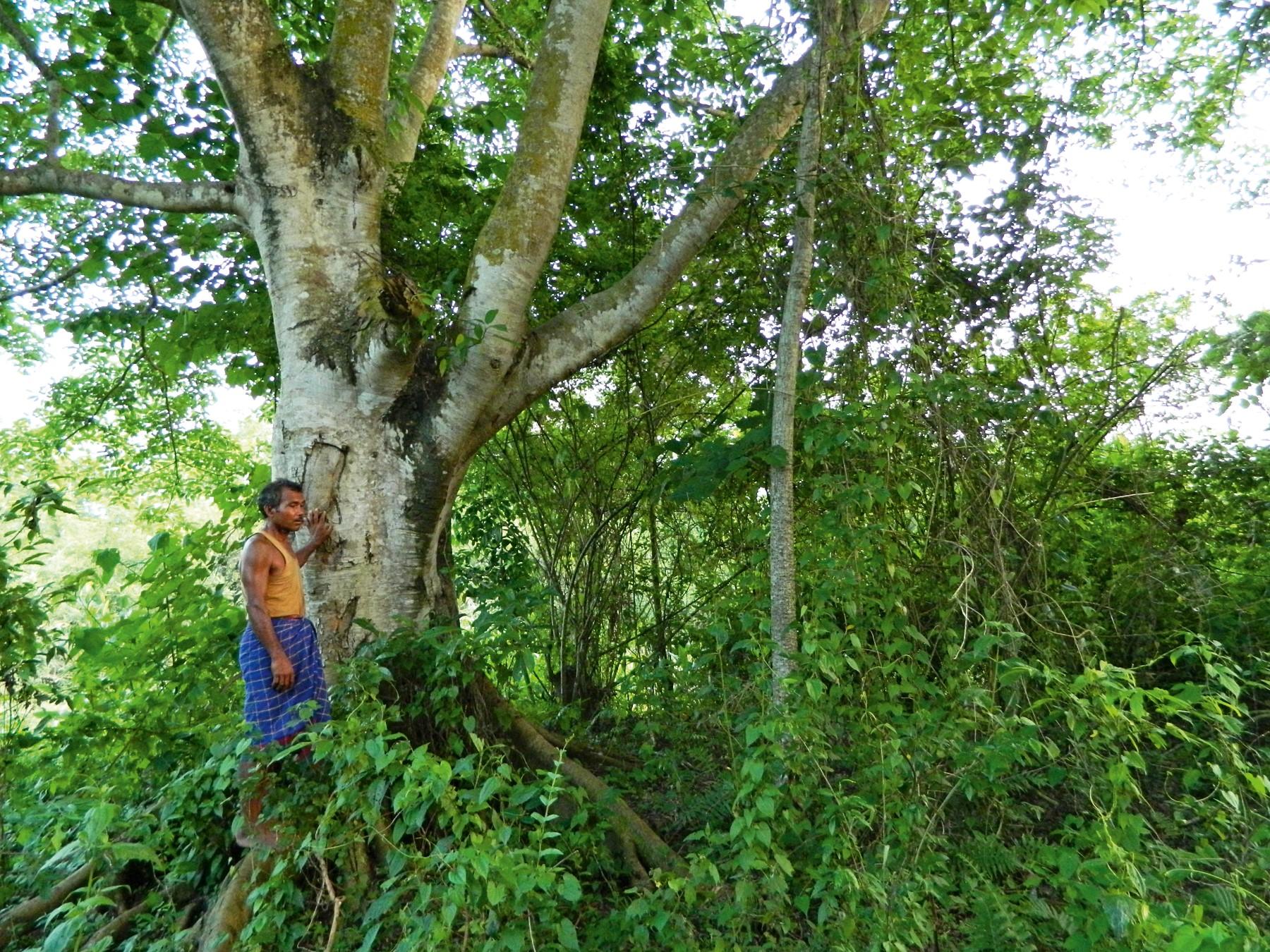
Starting around 1979, Payeng devoted decades to restoring vegetation on a sandbar near Majuli in the Jorhat region. The result became known as Molai Forest or *Molai Kathoni*, frequently described as extending over approximately 550 hectares.
A forest that large sounds impossible as the work of one person. The more accurate story is even more interesting: one person's long-term initiative and stewardship helped set ecological processes in motion, allowing trees, soil and wildlife to change together over time.
The sight that changed his life
Several accounts say Payeng was disturbed after seeing snakes stranded and dying on exposed sand following flooding. The incident impressed on him how harsh the treeless landscape could be.
He began planting, including bamboo, and continued caring for vegetation despite difficult conditions. The riverine landscape was vulnerable to erosion, flooding and intense heat. A newly planted sapling could easily fail without protection and water.
This was not a one-season plantation campaign. It was a commitment extending across decades.
How does a forest grow?
A mature forest is not simply a collection of saplings. It is a living system involving soil, shade, insects, birds, mammals, water and the movement of seeds. Trees may help create conditions in which other plants establish themselves. As vegetation develops, habitats can become more complex.
Payeng's work is often celebrated as having been done “single-handedly”. That phrase captures his exceptional personal commitment but can obscure the contribution of natural regeneration and ecological relationships. It is better to say that he initiated and nurtured a landscape-scale transformation rather than claim he personally planted every tree now standing there.
The return of wildlife
As the forest developed, reports described increasing wildlife presence, including deer, birds and visiting elephants. The resulting woodland has attracted researchers, conservationists and journalists interested in long-term restoration.
The reported area of about 550 hectares is an approximate figure repeated in government publications and environmental reporting; boundaries and habitat conditions can change over time on a dynamic river island.
A forest is a long-term promise
| Short-lived thinking | Long-term restoration |
|---|---|
| Plant saplings for a one-day campaign | Protect young trees through difficult seasons |
| Count trees planted | Observe how many survive and support local ecology |
| Focus on a single event | Continue stewardship over decades |
| Consider greenery only as decoration | Recognise forest as habitat, soil protection and ecological process |
Payeng's example is valuable not because every person can independently create a 550-hectare forest, but because environmental recovery requires continuity. Enthusiasm may begin a project; patience, local knowledge and sustained care determine much of what happens next.
The larger environmental context
Majuli and the Brahmaputra's riverine islands face strong natural forces. River erosion and seasonal floods have shaped communities and habitats for generations. Planting trees can contribute to habitat restoration in suitable locations, but it cannot by itself solve the full complexity of river management, erosion or climate-related risks.
The lesson is not that planting a tree fixes every environmental problem. The lesson is that carefully matched ecological effort, sustained over time, can produce outcomes that initially seem unimaginable.
Why Jadav Payeng's story deserves to be told
Payeng is often called the Forest Man of India. The nickname is memorable, but his deeper achievement is quieter: he kept returning to the land when the result was uncertain and far from immediate.
Most people will never see an entire forest grow from their own early efforts. Jadav Payeng has seen decades of change. His story asks a simple question: what might become possible if we measured success over a generation rather than a week?
Sources and reporting notes
- Yojana, Government of India, September 2012 — Payeng and Molai Forest
- Mongabay, November 2014 — long-form environmental reporting
- University College London — profile and environmental context
- Assam government publication — account of Molai Kathoni
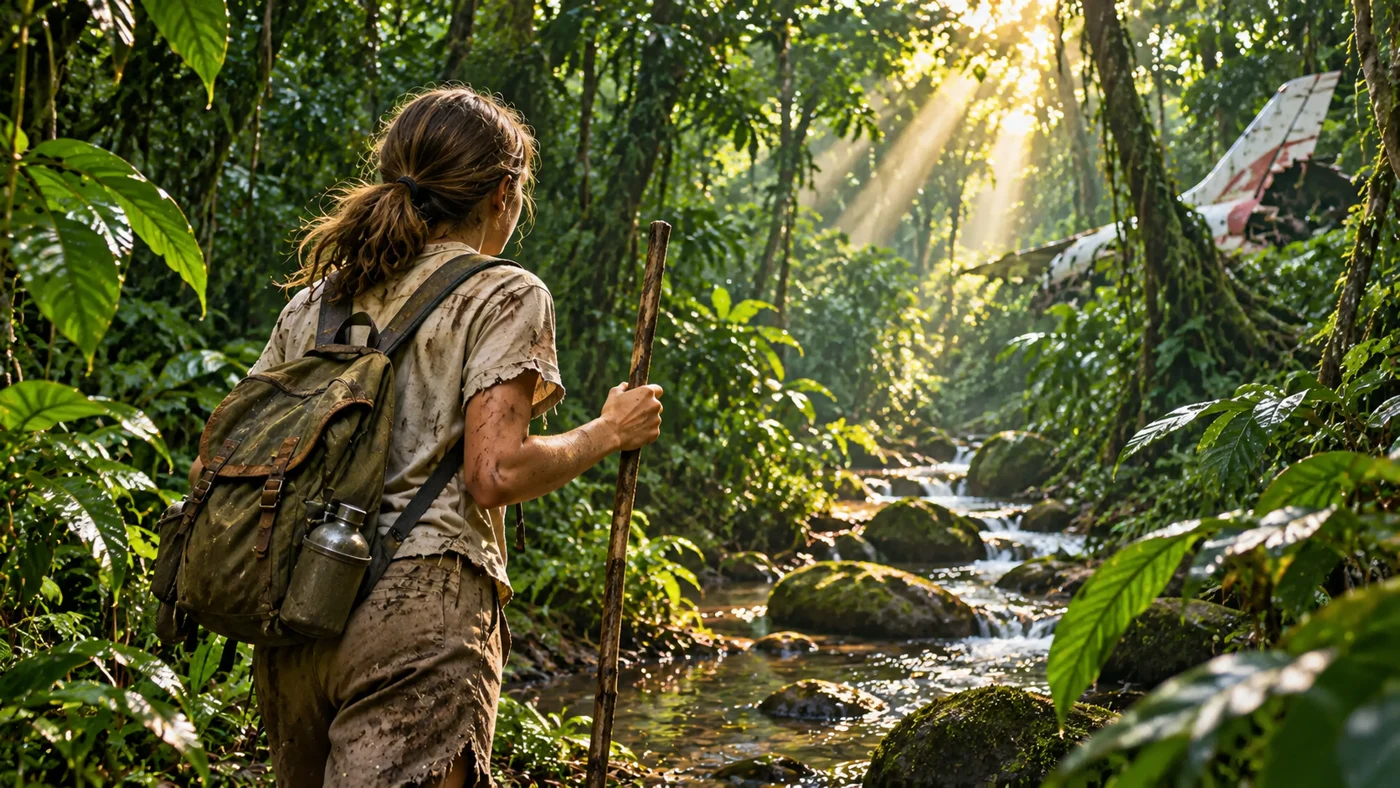
Editorial note: The featured illustration is AI-generated, not a photograph of Payeng or a specific recorded event.