He Survived Hiroshima, Returned Home—and Survived Nagasaki
- Tsutomu Yamaguchi survived both atomic bombings in Japan in 1945.
- Japan formally recognised his dual-survivor status in 2009.
- His testimony bears witness to the lasting human consequences of nuclear weapons.
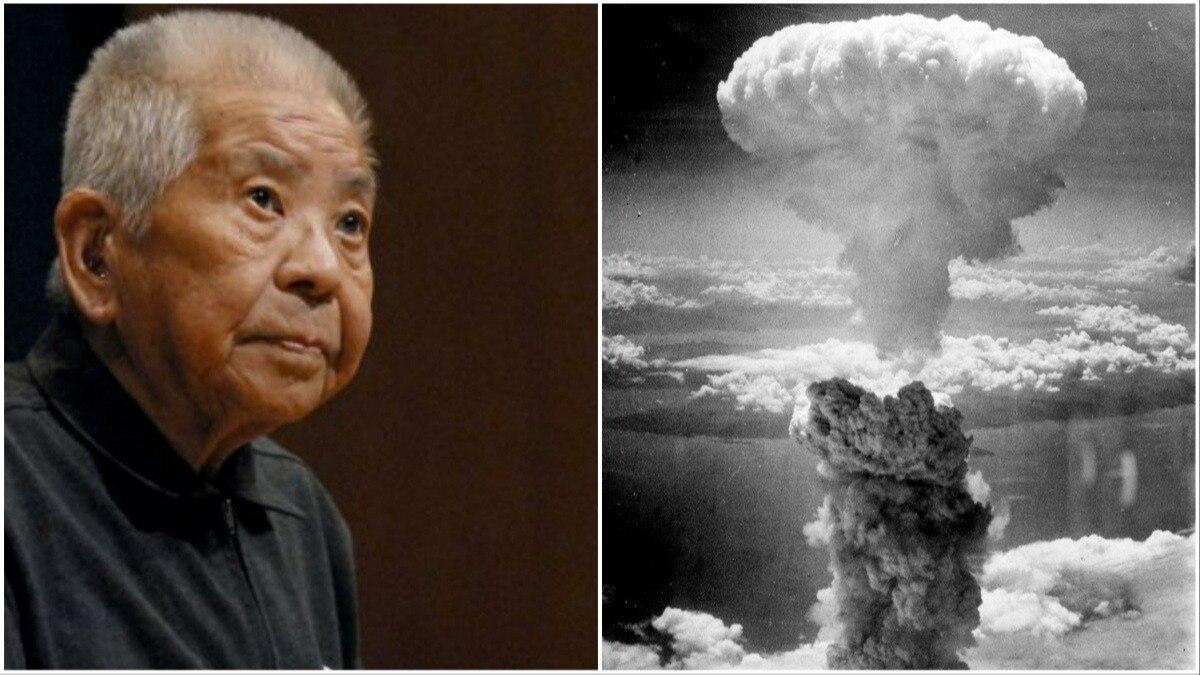
Tsutomu Yamaguchi experienced the Hiroshima bombing on 6 August 1945 and was back in Nagasaki when the second atomic bomb fell three days later.
Editorial series: Extraordinary Lives — World Stories.
- 6 August 1945
Hiroshima bombing
- 9 August 1945
Nagasaki bombing
- 2009
Official dual-survivor recognition
- January 2010
Yamaguchi dies
Hiroshima, 6 August 1945
On the morning of 6 August 1945, Tsutomu Yamaguchi, a Japanese engineer working away from home, was in Hiroshima when the United States dropped an atomic bomb on the city. He survived the initial blast but suffered injuries. Amid devastation and immense human suffering, he managed to leave the city and return to Nagasaki, where he lived.
Nagasaki, 9 August 1945
Three days later, on 9 August, the United States dropped a second atomic bomb on Nagasaki. Yamaguchi was there too. He survived the second attack, making his experience one of the most extraordinary and harrowing individual stories associated with the end of World War II. Those around him suffered too, and his personal survival should never eclipse the enormous loss of life in both cities.
What official recognition means
In 2009, Japanese authorities formally recorded Yamaguchi as having survived both atomic bombings. Accounts sometimes inaccurately call him the only person ever to have survived both. Others are believed to have been in both cities and survived; Yamaguchi was the only person officially recognised by Japan in that specific dual-survivor category.
Living after catastrophe
Surviving an atomic blast was not the end of hardship. Many survivors faced injury, illness, psychological trauma and the stigma historically associated with radiation exposure. Yamaguchi went on living for decades and later spoke publicly about what he had witnessed. He died in January 2010 at age 93.
Why this story must be told carefully
The fact that one man encountered two nuclear bombings is astonishing, but this is not a story of good fortune in any simple sense. It concerns mass civilian death, damage continuing long after the flashes, and the testimony of those who lived through it. Sensational language can turn tragedy into a strange coincidence; responsible remembrance keeps the victims at the centre.
An extraordinary witness
Yamaguchi’s experience is remembered not only because he survived twice, but because his testimony connected the history of two cities in one human life. To tell his story responsibly is to listen to the warning embedded within it: the consequences of nuclear weapons extend far beyond a moment of destruction.
Key facts
- Country
- Japan
- First bombing
- Hiroshima, 6 August 1945
- Second bombing
- Nagasaki, 9 August 1945
- Official recognition
- Recorded as double survivor in 2009
Sources and further reading
- The Japan Times (2009), official double-survivor recognition
- History, the man who survived two atomic bombs
- ABC News (2010), death and recognition
Image note: Featured artwork is an AI-generated editorial illustration, not an authentic photograph of the event or person.